Buda Castle, 2 September 1686.
After a bloody siege, the armies of the Holy League recaptured Buda from the Ottoman Empire. After 145 years, Ottoman rule came to an end—but this did not mark the beginning of Hungarian independence; instead, Habsburg rule followed. The price of victory was enormous: the city lay in ruins and the civilian population had been decimated. The Jewish community of Buda, which had lived in relative peace under Ottoman rule, suffered looting and expulsion after the siege, and many of its members were killed. After the victory, Habsburg centralisation, restrictions on the rights of the estates and Catholic restoration created new tensions. The Hungarian nobility soon realised with disappointment that the expulsion of the Ottomans had not brought self-government; this disillusionment and resistance ultimately contributed to the Rákóczi War of Independence, one of the greatest struggles for Hungarian independence.
The anniversary can therefore be regarded more as a celebration of Christianity than of Hungarian national independence, and its interpretation has remained controversial.
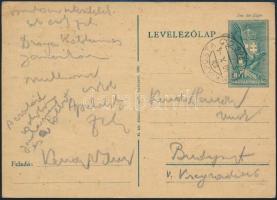
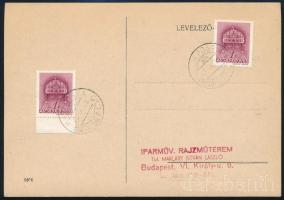
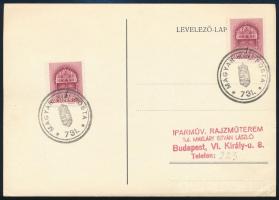
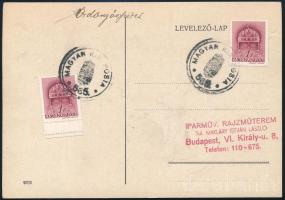
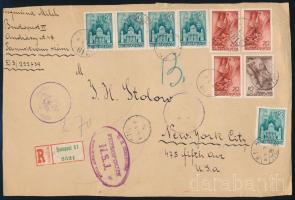
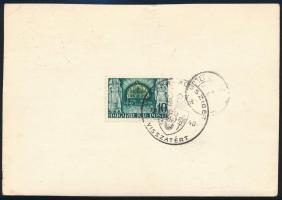
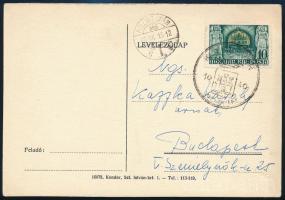
The Hungarian postal administration issued stamps for the anniversary on two occasions, in 1936 and 1986. The 1936 issue, released for the 250th anniversary, consisted of five denominations. It was the first Hungarian stamp set in which the design extended all the way to the perforations, meaning that the stamps had no white frame. The designs were created by Sándor Légrády with the collaboration of Ferenc Márton.